
Foundation Portfolio


TECHNICAL SKILLS


CAMERA: NIKON D3200
Nikon camera:
This camera is a digital SLR, which allows you to take amazing shots. With this camera you can have ultimate control, such as the ability to change the shutter speed, aperture, ISO and white balance. Us students can use this camera in the studio, in the classroom and outside.
I will use this camera to create my main images for my rock magazine, possibly reducing the aperture so that the image is low key, which suits my music genre.
Limitations: The school only owns four of these cameras; therefore you have to book these out which will also ensure that that the battery is charged. You cannot take the cameras of site, or use them on unstable ground surfaces.
TRIPOD
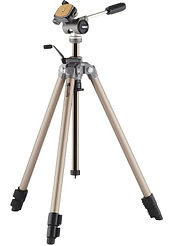
The Velbon Sherpa 450R tripods are the tripods in which I will be able to use to create photos for my rock music magazine. This will ensure that my camera is stable and can take a picture which is in full focus. To attach to a camera, remove the plate on the tripod and attach it to the bottom of the camera by twisting it onto the thread. At this point you need to ensure that you do not twist the plate too hard onto the camera’s base so that you do not ruin the thread. Using the handle, the tripod will allow you to move vertically (tilt) and side to side (pan) so that you can create a photo with any angle. Since this particular tripod has three extensions on its legs, it can help produce an image which has a high angle because it can reach over 5ft high. By helping to produce an image which is industry standard, I will use a tripod to possibly create a high angled image in which my model will be positioned underneath the camera and staring up at it with a facial expression that is associated with the rock genre.
Limitations: This piece of equipment cannot be used on unstable ground as it is a potential hazard to the camera as it may fall and break the lens. These can include: mud, gravel, wet grass etc. Another limitation of this piece of equipment, especially with tripods that are not cushioned, if you do not hold the handle of the tripod whilst it is loose, due to the cameras lens being much heavier the camera it will be pulled down front-ways, which could potentially damage the camera’s lens if hit with a great force.
FLASHGUN
I have access to the Jessops 360AFD flashgun which will allow me to light up darker areas in which I may want to take my photos at e.g. corridor, alleyways etc. Unlike the flash built into cameras, this will add a high end commercial flash which will allow me to make my photos professional and attractive to the eye. Since the light that the flashgun creates may be too harsh, it does have an inbuilt diffuser which will soften the light to give a less ‘in your face’ look. It is flexible, therefore will allow us to position it and face it in different directions to give the pictures different looks. For example, instead of directing the flashgun towards the subject, I could position it so that it is facing upwards towards the ceiling so that it can be reflected back down onto the subject to create a softly-lite image. To ensure that the flash goes off at the same time as the shutter, you can attach the flashgun to the hot shoe of the camera which is located at the very top. In my photo-shoot, I may not use the flash gun as the rock genre doesn’t typically have high-key lighting, but low key lighting to support the grungy look that they give off.
Limitations: Flashguns are battery operated; therefore you need to ensure that you book the flashgun out of the studio so that it will be charged for your shoot. As well as this, it can easily overheat, meaning that you need to ensure that you turn off the flashgun when you are not using it.
REFLECTORS AND DIFFUSERS
As it says in its name, reflectors are designed to reflect light and are typically made from shiny materials such as foil. By using a reflector you can create different effects such as faint split lighting as it can light up one side of a subject and not the other. They can also add huge amounts of light, especially if your model is positioned outside on a miserable day, the reflector will allow all light to bounce back and be directed at the subject. Diffusers diffuse light over the subject so that the lighting is soft- not harsh. Both of these pieces of technical equipment can make it easier for you to edit your photos because they help produce a brighter photo. I could use a reflector to create split lighting on my models face to give a rough and edgy vibe, which links to my music magazine genre of rock.
COLOUR GELS
Colour gels are pieces of transparent coloured sheets that you can place over your source of light which allow you to create different effects on the subject. These come in a whole range of colours, such as red, which could connote that your subject is mysteriously dangerous. I wouldn’t use these to create images for my music magazine as they are typically associated with the RnB and pop genre. A limitation of using colour gels is that they can get hot easily as they are close to a light source, therefore you must take extra care when handling these once they have been used.


STUDIO LIGHTING
THREE POINT LIGHTING
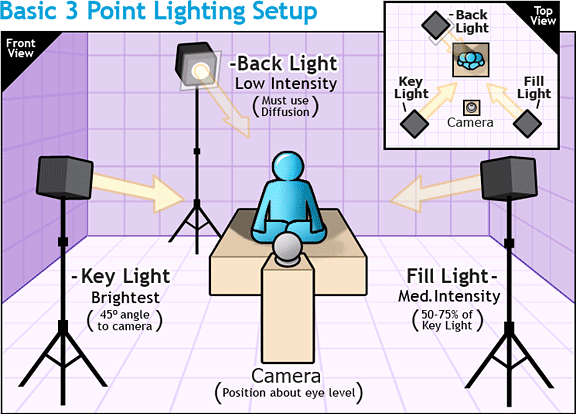
The lights that the school own are the Interfit EX15 lights and these are used in three point lighting, Rembrandt lighting and split lighting.
In three light lighting, there are three lights which are used in photography to light up the subject. The main light, formally known as the key light, is the strongest light out of all three and has the most effectiveness in lighting up the subject. Due to this, the key light is placed near to one side of the camera. Secondly, a light will be placed opposite to the key light, and to an angle, to subject in order to fill the shadow which the key light created. This is called the backlight. Unlike the key light, the backlight is less strong, meaning it is softer on the subject. The third light is the fill light which is placed as if a triangle with all the other lights in order to give the subject 3D look. Three point lighting creates high key, even lighting which I am unlikely to use in my music magazine as the rock genre is typically associated with low-key lighting with hints of light slashing through the image.
REMBRANDT LIGHTING
Rembrandt lighting, which may be also associated with diagonal lighting is a technique used in portraiture to create a small triangle on the subject’s cheek. I could use this technique to create an image for my rock magazine as the majority of the image is always low-key, with hints of high-key lighting on prominent parts of the face. This could potentially create a dark and grungy image which would link to my music genre.


SPLIT LIGHTING
Split lighting is a technique in which only two lights are used and half of the subject is lite up. This technique could be used to create my images for my music magazine as having a model with half of his/her face lite up could represent the genre perfectly as it demonstrates that we only see the surface of the artists and their songs, but they always have a deeper meaning hidden.


SOFTBOX
To create a softer looking image a soft box may be positioned over sources of light. These work effectively because the larger the area the light has to distribute itself over, the less harsh the light will be because it isn’t directed at one single point.
INFRARED TRIGGER
The Interfit infrared trigger sets off all the studio lights in order for you to produce an image that is lit up evenly and looks professional. These are purely for studio lighting, meaning that they cannot be used outside the media classroom or the studio. To attach to the camera in order for the infrared trigger to work effectively, you must attach it to the hot shoe so that every time you press the shutter, the lights in the studio will go off at the same time as the camera takes the photo. I could use the infrared trigger if I want to create a certain lighting effect on one part of the models face (side lighting). However, I would not associate the infrared trigger usually when using three-point lighting in the studio as rock magazines are typically low key, and the infrared trigger helps you to achieve high key shots.
A limitation of an infrared trigger is the fact that it is battery powered, meaning that you need to ensure that it is charged and has enough power before doing a shoot.
PAG LIGHT
The school owns Pag light C6’s that enable us to create images, which have higher key lighting on certain parts of the subject. This one in particular has different filters so that you can create different effects. A diffuser is attached to it as well which helps to soften the light. Since it is a constant light, the pag light needs to be used in conjunction with other pieces of equipment so that it works effectively.


SOFTWARE PROGRAMMES
WIX
WIX is the online software programme in which I will be displaying all my coursework onto. Unlike other websites, it is easy to use and can present work in a professional and an attractive manner. For example, I can insert any type of media, embed codes and html links etc. This website will allow me to develop my skills in marketing as well as design which I can apply to future careers. A down side of this programme is that it relies on the internet, therefore it may be difficult to access with limiting amounts of Wi-Fi. If working with a partner, like in this piece of coursework, only one individual can save and upload work at a time, and it may be possible that the person you are working with can over write your work and delete everything on your website. In result of this, you must communicate with your partner and sicuss what times you will be using the website.
PHOTOSHOP
Photoshop is the software programme that I’ll be using to create my music magazine. It has a range of tools which will allow me to create an effective and professional looking rock magazine such as: Magnetic lasso tool, text tool, the opportunity to adjust the image by adjusting curves, brightness and contrast etc. I will be able to access the newest version of Photoshop CS6 which will allow me to edit my photos with greater ease to help me create a rock magazine which is current and attractive. Even though the actual software is great, we still have to rely on the technology of the computer therefore some computers may not allow us to use the software to its greatest capacity.

